Some of our projects
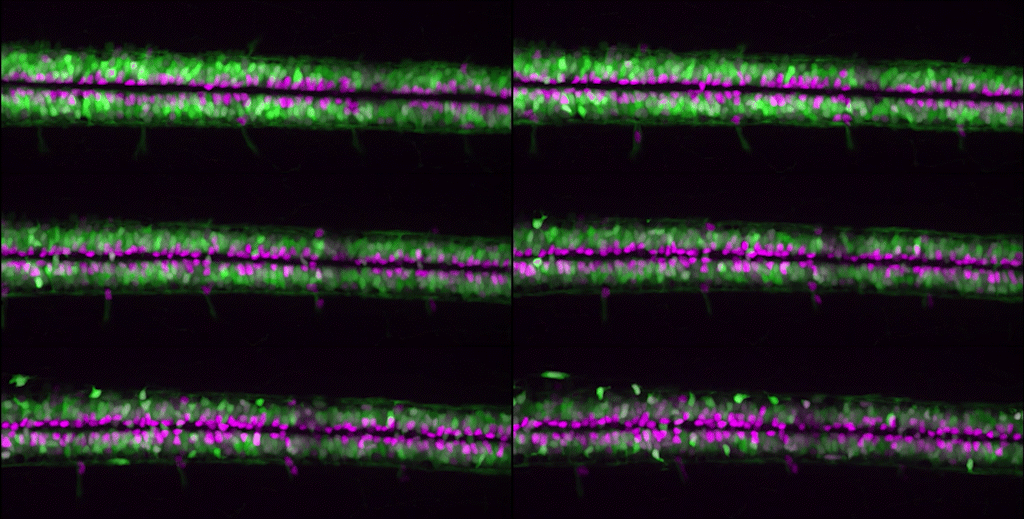
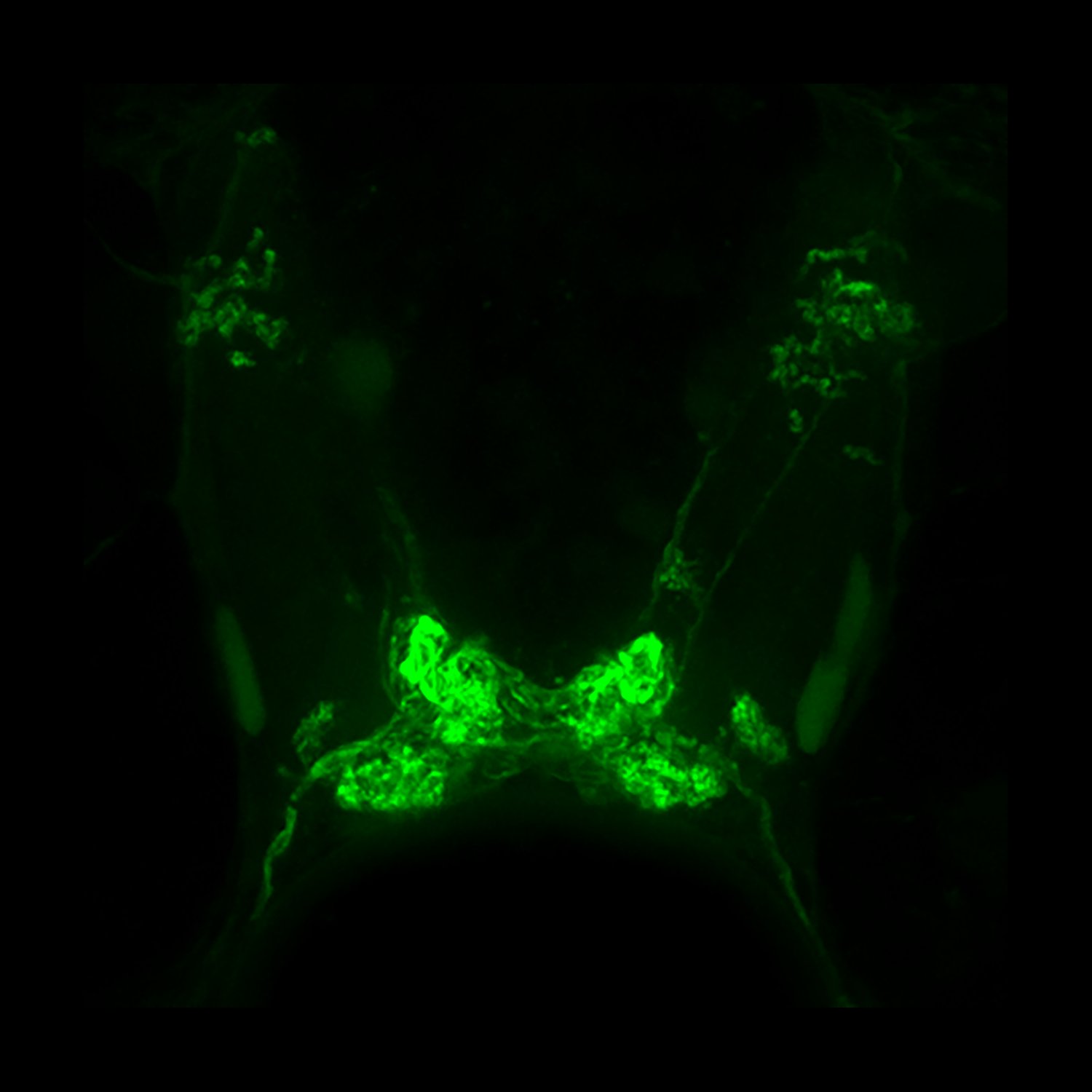
Our research focuses on glial migration, development and myelination at the interface between the central nervous system (CNS) and the peripheral nervous system (PNS). We are particularly interested in a recently discovered cell population named motor exit point (MEP) glia, that are generated in the developing spinal cord and function in the peripheral nervous system. We have identified the neural precursors that give rise to MEP glia and the mechanisms that regulate key aspects of their development.
Our lab’s goals are to further analyze MEP glia and MEP glial myelin at the molecular, cellular, and ultrastructural levels and explore the feasibility of utilizing endogenous peripheral glia to repair the demyelinated spinal cord & conversely, CNS glia to repair peripheral nerves.
From neural precursors to myelinating glia
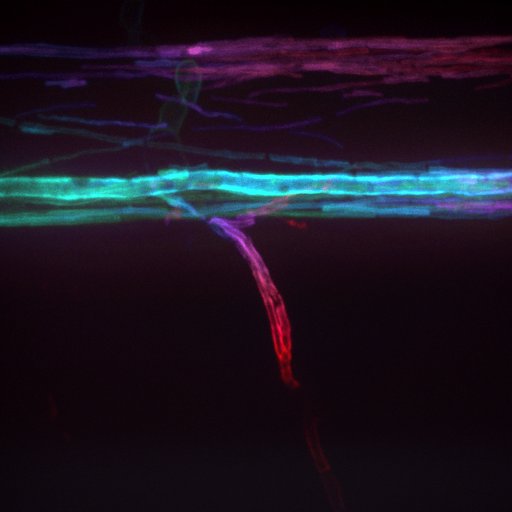
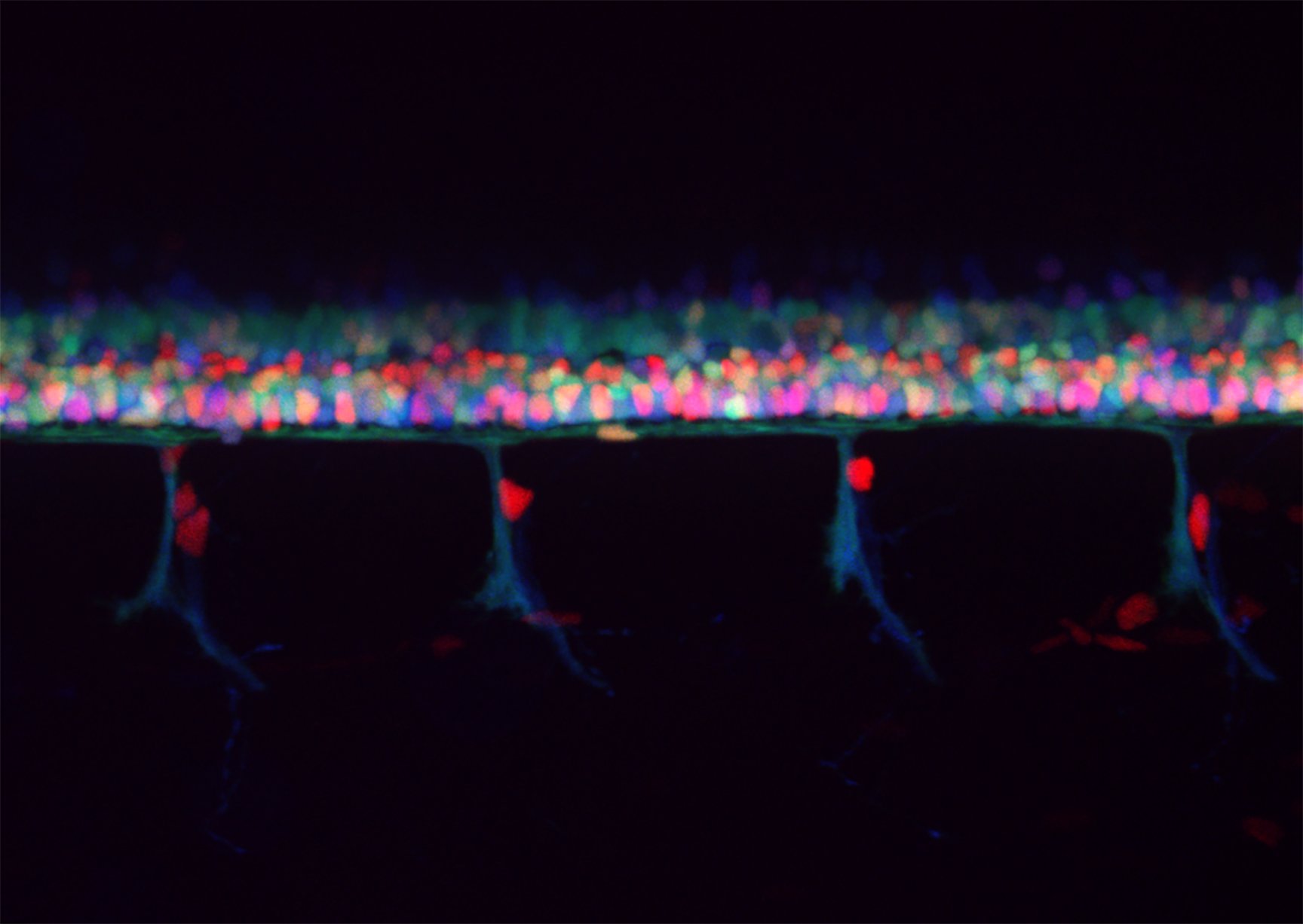
Motor Exit Point (MEP) glia are neural tube-derived glia that migrate onto motor axons in the peripheral nervous system and eventually myelinate them. We use zebrafish as a model organism and a combination of confocal live imaging, genetic approaches (transgenesis, CRISPR/Cas9) and electron microscopy to further dissect MEP glial migration and development at the molecular and cellular levels. While we have identified the spinal cord precursors that give rise to MEP glia, we still need to understand the molecular mechanisms that control MEP glial specification from neural precursors at the right time, right place and in right numbers.
Repair the spinal cord with peripheral glia
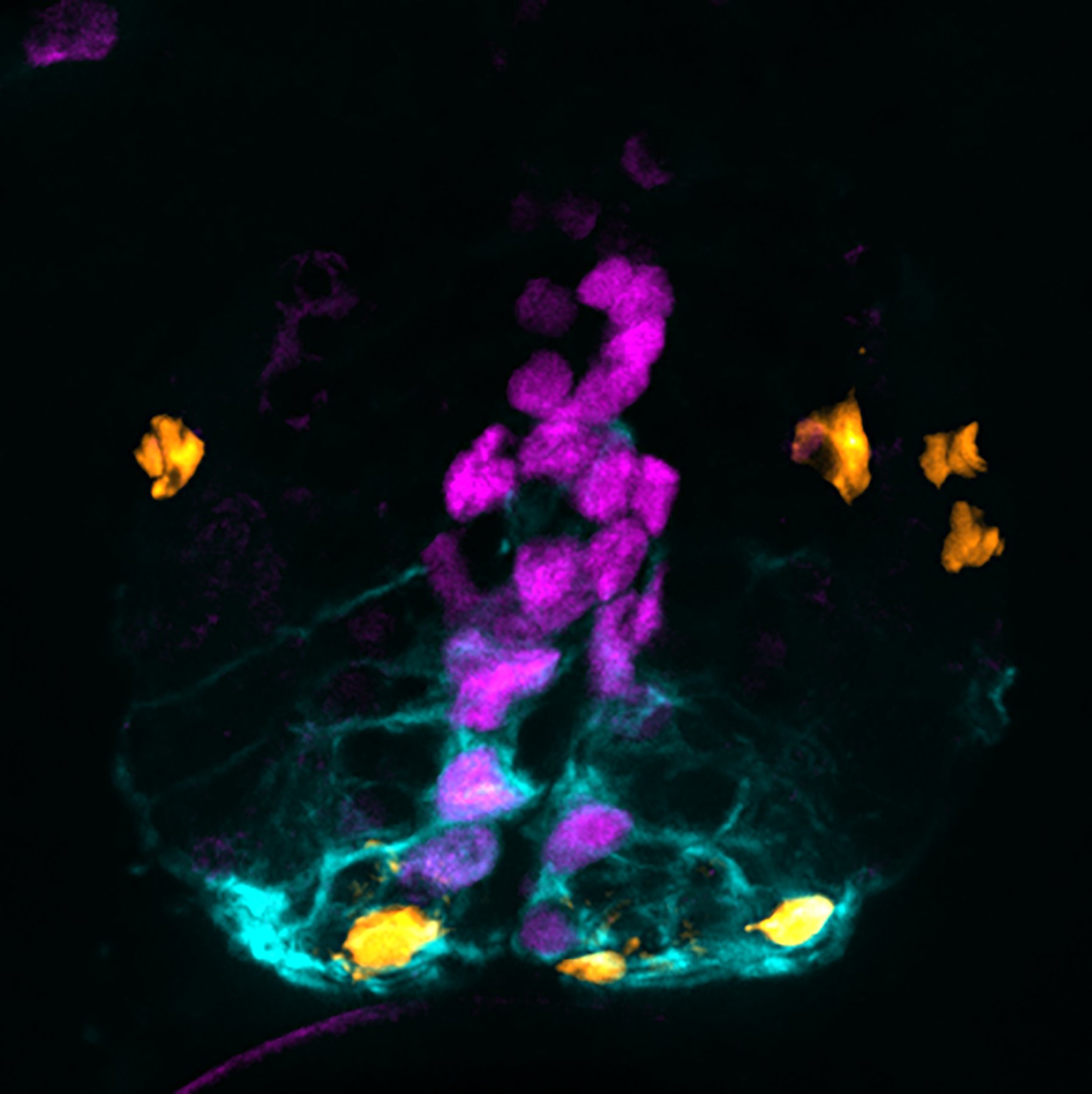
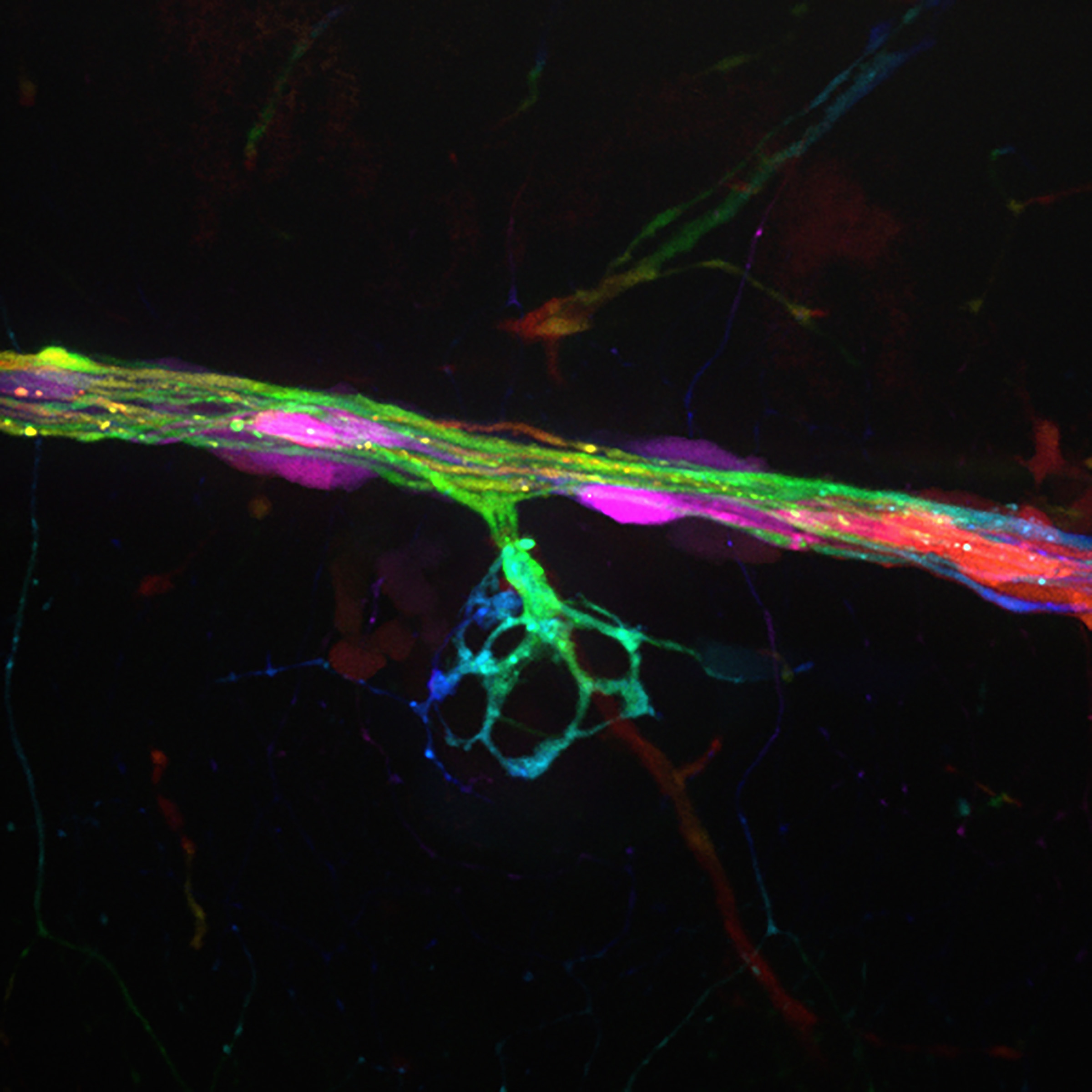
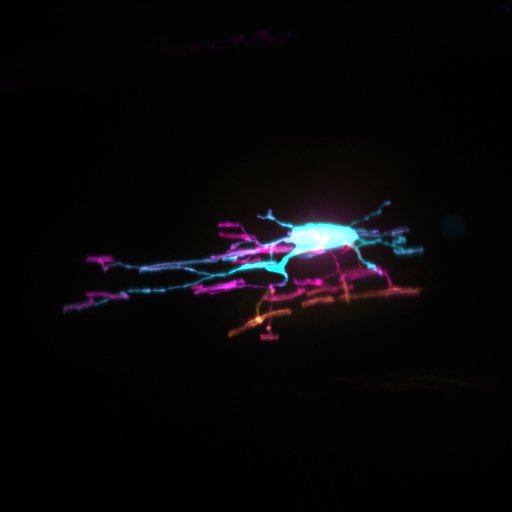
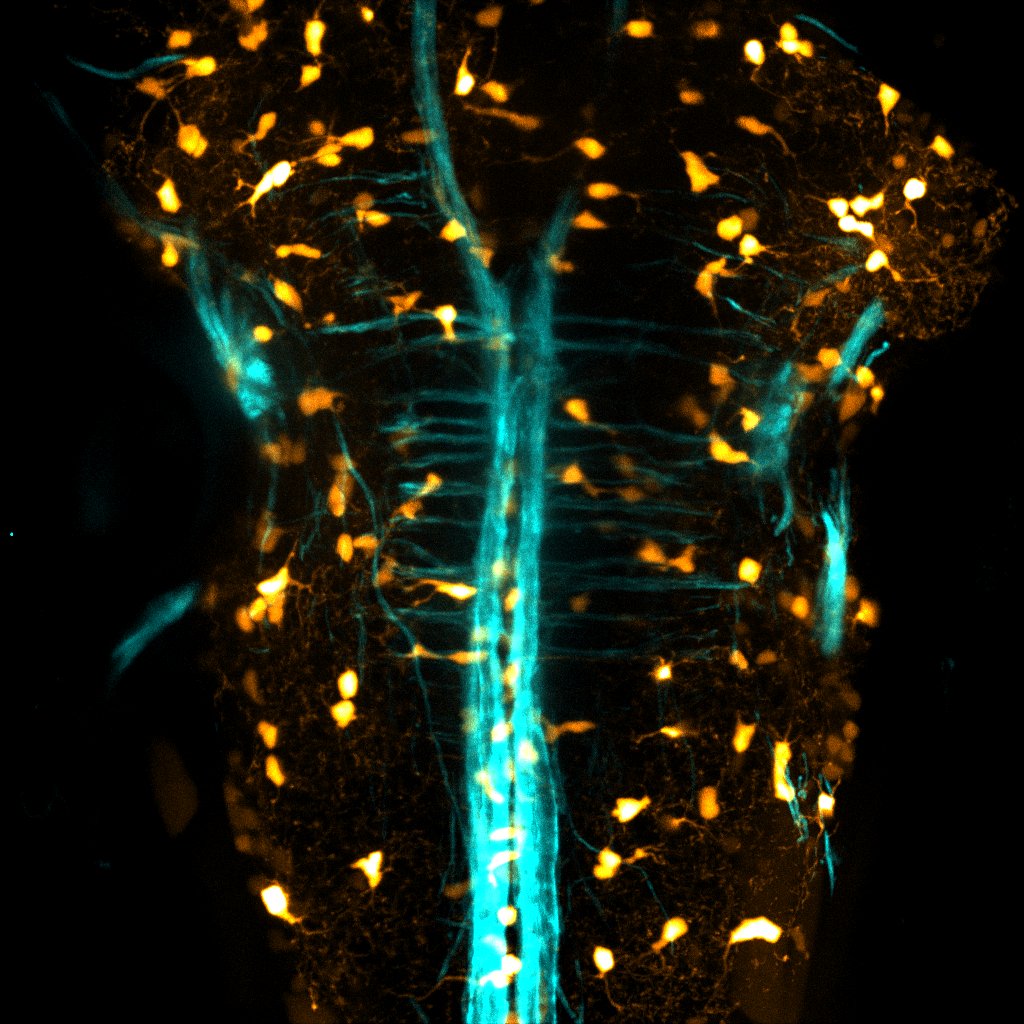
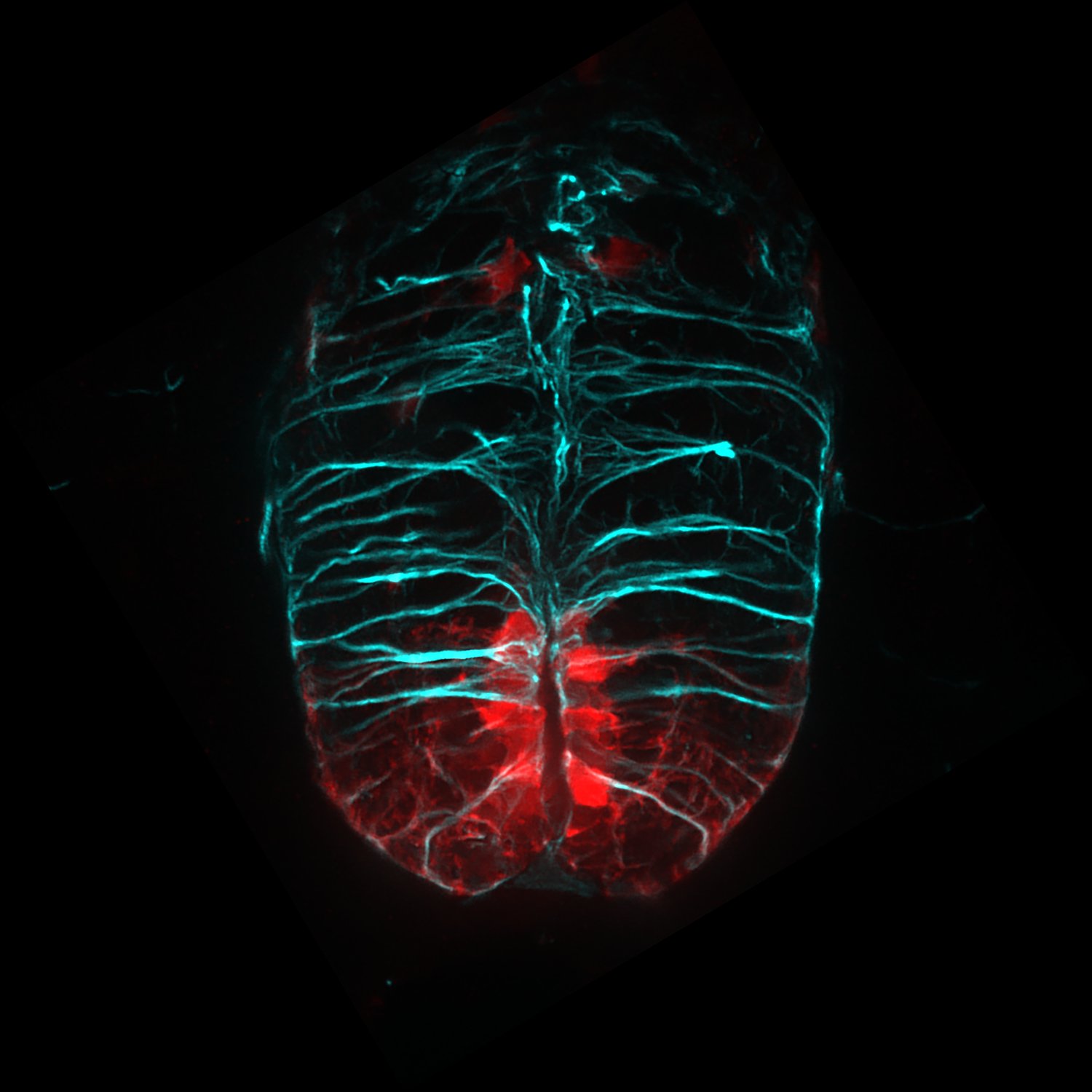
Demyelinating diseases often affect one half of the nervous system, while the other half remains healthy and myelinated. There is no cure for these diseases. Examples of CNS/PNS barrier transgression, including the presence of endogenous Schwann cells in the CNS, have been reported in physiological and pathological conditions. However, the mechanisms that allow glial cells to trespass the CNS/PNS transitions zones (TZs) are not fully understood. Our work shows that motor exit point TZs are selectively permissive and are plastic. Because MEP glia are migratory, hybrid myelinating glia with both central and peripheral characteristics (and reside at the border of the CNS and the PNS), we hypothesize that MEP glia can function in both halves of the nervous system and compensate for the loss of spinal cord myelinating cells.

Cross-Domain Myelination by Oligodendrocytes
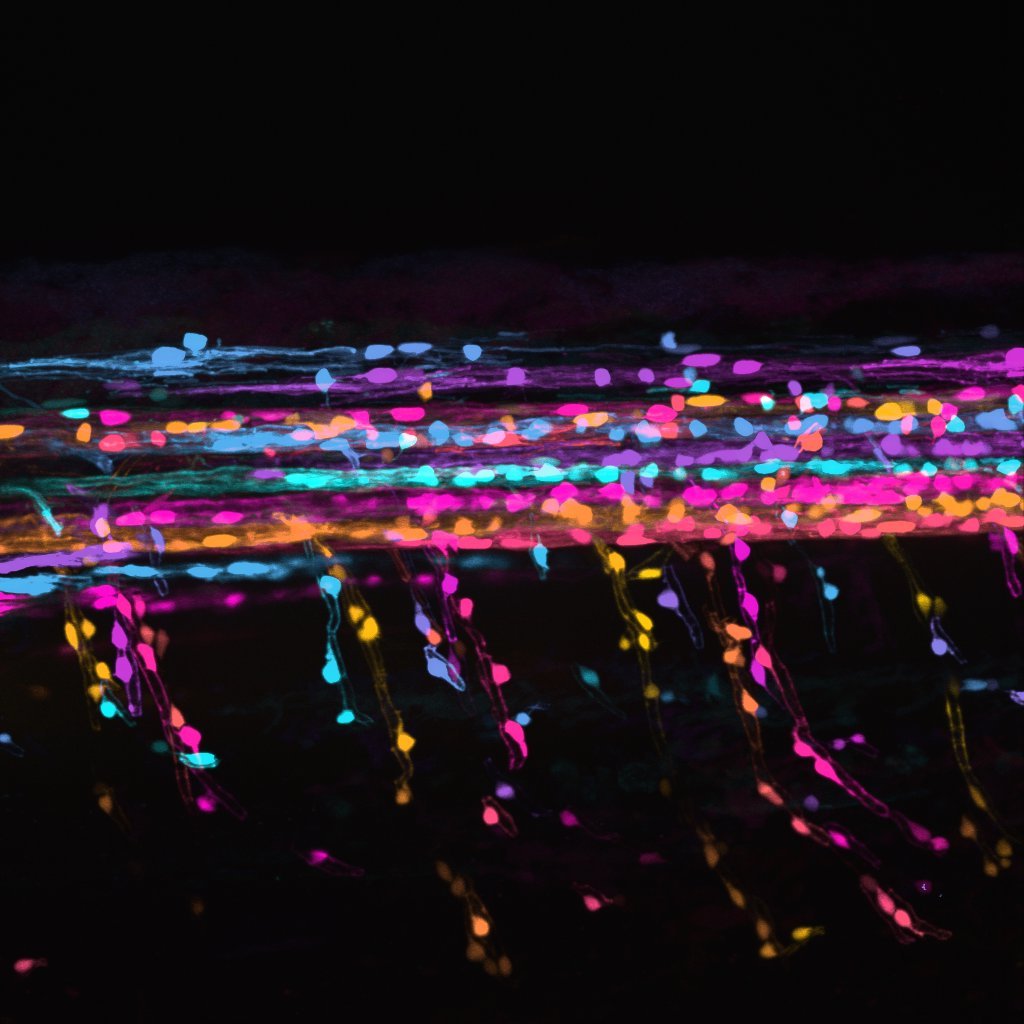
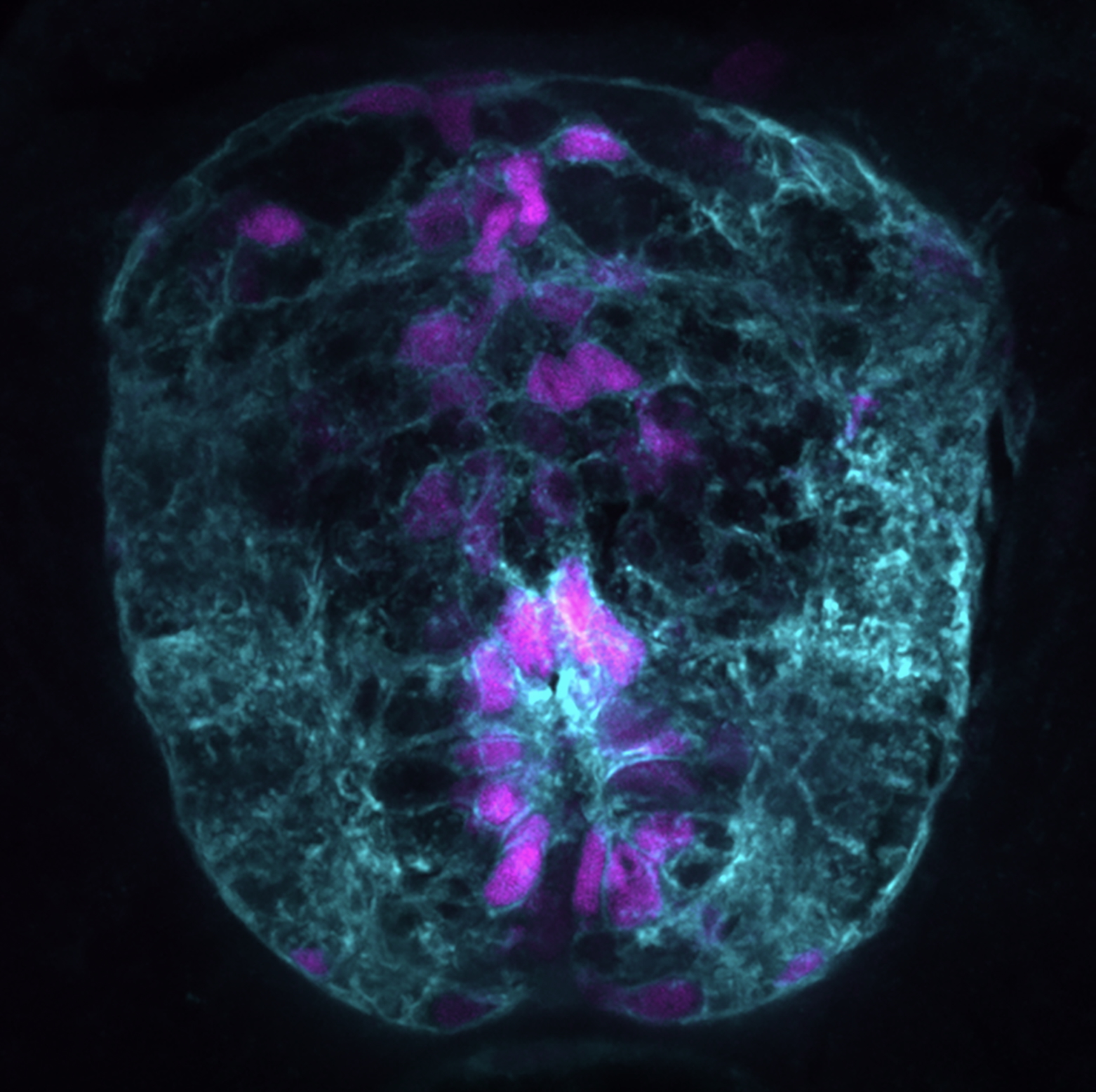
Traditionally, myelinating glia are restricted to their domain: oligodendrocytes in the CNS and Schwann cells and MEP glia in the PNS. Our work challenges this paradigm by showing that in the absence of peripheral myelinating glia, oligodendrocytes ectopically migrate into the PNS and myelinate motor axons. We are investigating the integrity and structure of ectopic oligodendrocyte myelin in the PNS and its physiological consequences. This work explores surprising plasticity at the CNS/PNS transition zone and expands our understanding of how glia function beyond their specific domains.


Glial interactions in nerve damage
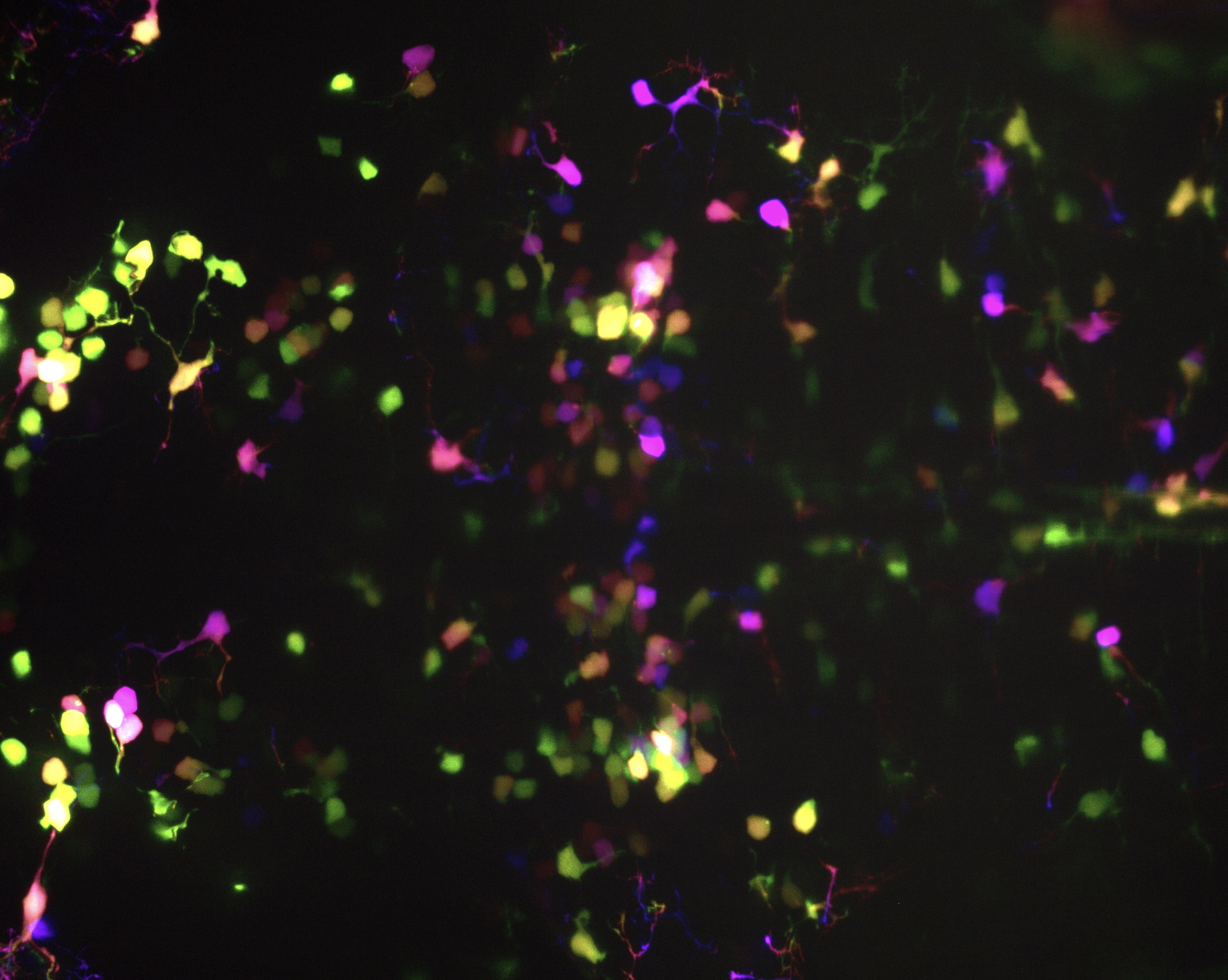
The CNS and PNS differ significantly in their regeneration potential, with the brain and spinal cord far more limited in self-repair. Various professional and non-professional phagocytes orchestrate debris clearance on either side of the transition zone (TZ), a necessary cell-mediated process for successful regeneration. In the PNS, the role of Schwann cells (SC) as non-professional phagocytes is vital for the success of Wallerian degeneration. Considering their hybrid molecular profile and position at the MEP TZ, we sought to explore whether MEP glia demonstrate a phagocytic phenotype and interact with SCs in the context of nerve injury. A better grasp of relationships between peripheral glia and professional phagocytes could shed light on the increased efficiency of PNS debris clearance following injury.

 Fontenas Lab